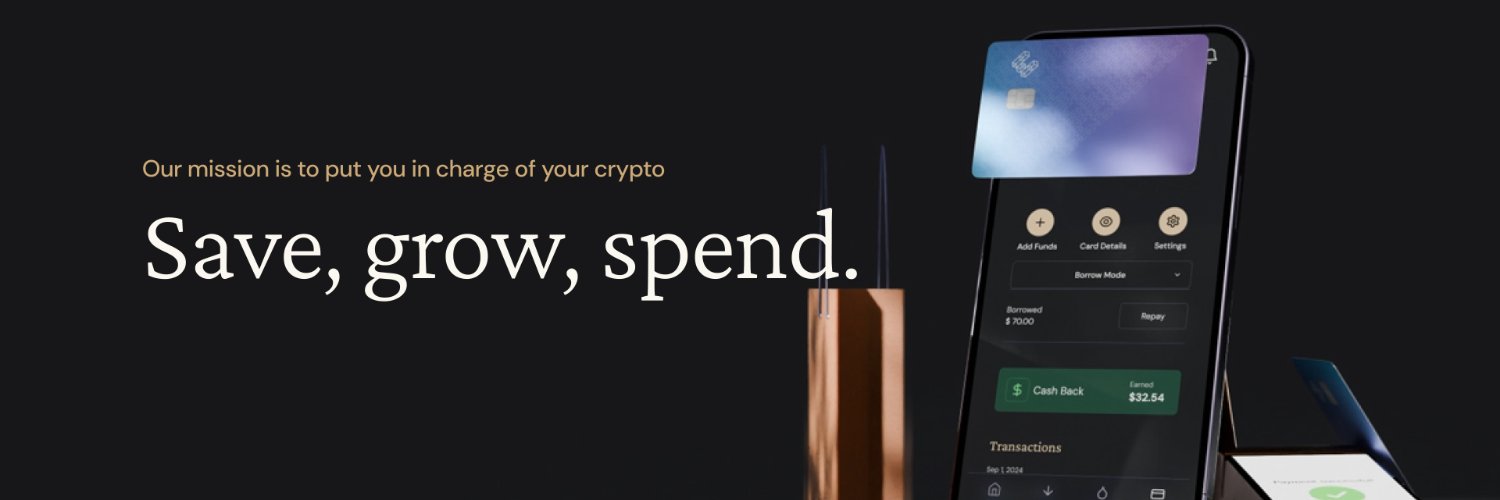

Ether Fi is a noncustodial Ethereum staking protocol with a Visa card that lets users borrow against crypto collateral for everyday spending while their deposited assets continue to earn yield.
About Ether Fi
What is Ether Fi?
Ether Fi is an Ethereum staking protocol that also offers a Visa card called Ether Fi Cash. The idea is simple: you hold crypto, you keep it earning yield, and you spend against it in the real world without selling a single token. Most crypto cards ask you to liquidate your holdings before you can use them. Ether Fi takes a different approach.
The card runs on the Visa network, so it works anywhere Visa is accepted. You can add it to Apple Wallet or Google Wallet and tap to pay like you would with any bank card. Virtual cards are free and available instantly. Physical cards exist too, though they sometimes require a small refundable deposit to unlock.
What separates Ether Fi from a standard crypto debit card is the borrow feature. You deposit collateral like ETH, open a credit line against it, and spend the borrowed amount while your original assets stay in a yield-generating position. Your ETH keeps working. You keep spending. No taxable sale event, no lost price exposure. For people who want to live on crypto without exiting the DeFi ecosystem, that setup is genuinely useful.
Cashback sits at three percent on all purchases by default, with periodic campaigns that push rates higher for specific categories like dining or groceries. Yields on deposited assets have reached double digits depending on market conditions, which makes the combination of earning and spending in one product fairly hard to find elsewhere.
Who uses it?
The most obvious user is someone who already holds ETH or stablecoins and wants those assets to do more than sit idle. If you have been staking or providing liquidity and you want a way to cover daily expenses without converting back to fiat, the Ether Fi card fits that need directly. Borrow mode is particularly useful for people with meaningful collateral who want to avoid triggering capital gains on their crypto positions.
Everyday spenders who think in crypto terms also use it. People paying for groceries, coffee, and subscriptions with the card report that the three percent cashback and background yield add up over time in a way that a traditional rewards card simply cannot match. Some users collect cashback in WETH or other reward tokens, which keeps them inside the crypto ecosystem even when they are spending at a regular merchant.
That said, Ether Fi Cash is not the right fit for everyone. If you travel internationally and spend in non-dollar currencies regularly, the one percent foreign transaction fee will add up. If you need fast dispute resolution, the process follows standard banking timelines, and some users have reported waiting months for fraud cases to close. Beginners who have never used a DeFi product may also find the borrow mode a bit much at first, though the app does walk you through the setup.
Regional availability is still limited. Virtual cards have broader access, but physical cards are not available everywhere. If you are outside the US, it is worth checking whether your country is supported before you go through the onboarding process.
How it works
You start by connecting your wallet to the Ether Fi app. Deposits are free from several major chains, which removes the usual gas cost friction when you are just trying to fund a spending account. Once your assets are deposited, they sit in a vault that earns yield automatically. You do not have to do anything extra to start earning.
From there, the card works in two modes. The first is straightforward: you load USDC or another supported stablecoin and spend directly from that balance, similar to how a regular debit card works. The second mode is where Ether Fi becomes more interesting. You deposit ETH or another supported asset as collateral, and the protocol opens a credit line against it. When you swipe the card, it draws from the borrowed amount rather than your collateral. Your ETH stays in its position and continues to generate yield while you spend against the loan.
The interest rate on borrowed funds stays competitive. Ether Fi has run promotional periods with zero percent rates for new users, though standard rates apply once those windows close. Collateral health matters here. If the market moves sharply against your position, there is liquidation risk, so you need to stay aware of your ratios during volatile periods.
The whole setup is noncustodial, which means you keep control of your keys and your assets at all times. Ether Fi does not hold your funds the way a centralized exchange would. That is an important distinction for anyone who has thought carefully about counterparty risk. Cashback lands in your account regularly, and the Visa network means the card is accepted at millions of merchants worldwide without any special setup on the merchant side.
Key Features
Pros & Cons
-
Spend crypto without sellingYou put up ETH as collateral and borrow against it to fund card purchases, so your original assets stay in a yield-generating position the whole time.
-
Noncustodial by designYour assets stay under your own wallet keys and never transfer to a third-party custodian, which is rare for cards that work at any Visa terminal.
-
Free deposits from multiple chainsYou can fund your card balance from several major chains without paying deposit fees, which cuts the usual friction of moving assets into a spending account.
-
Works with Apple and Google WalletThe card links directly to mobile payment apps so you can tap to pay anywhere Visa is accepted without carrying a physical card.
-
Cashback paid in cryptoRewards come back as WETH or similar tokens rather than points or fiat, so you accumulate more crypto just by using the card for everyday purchases.
-
Collateral liquidation riskIf your collateral value drops sharply, your position can be liquidated before you have time to top it up, which means you could lose assets to cover a relatively small spending balance.
-
Only useful within the EtherFi ecosystemThe borrow and yield features are tied entirely to EtherFi's own vaults and protocol, so you cannot bring in positions from other DeFi platforms or custodians as collateral.
-
No fiat on-rampYou cannot load the card directly with a bank transfer or debit card, so anyone without an existing crypto holding has no straightforward way to fund the account.
-
Physical card access is conditionalGetting a physical card requires an initial deposit that is only refunded after you reach a certain spending threshold, which creates an upfront cost barrier for lower-volume users.